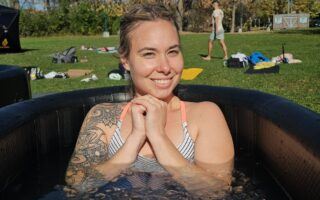

Ice baths are gaining popularity for their health benefits. Although the idea of plunging into icy water may seem daunting, it can offer numerous advantages when practiced correctly. Cold therapy is based on the principle of exposure to cold for a short period (2 to 10 minutes), triggering various physiological responses in the body. These responses can promote recovery, improve mental clarity, and enhance overall well-being. Additionally, they offer a range of potential benefits, including better blood circulation, reduced muscle soreness, improved recovery, a strengthened immune system, and increased mental focus. However, proper preparation is essential for this therapy, and here are 10 tips to help you get ready for this icy experience.
Mental Preparation
- Visualize Positively: Before your ice bath, take a few moments to visualize the benefits you hope to gain from the experience. Imagine yourself feeling refreshed, energized, and invigorated after the plunge.
- Set Intentions: Consider setting specific goals for your session. Whether it’s to reduce muscle soreness, improve mental clarity, or enhance recovery, clear goals can help focus your mind and improve your overall experience.
Physical Preparation
- Hydration: Drink plenty of water before your ice bath to ensure your body is well-hydrated. Avoid caffeine or alcohol, as they can have dehydrating effects and disrupt your body’s ability to regulate temperature.
- Nutrition: Eat a balanced meal a few hours before your plunge, including carbohydrates, proteins, and healthy fats. This will provide the necessary energy for the experience.
Essential Items
- Towels: Bring towels to dry off quickly after the plunge and to warm up.
- Warm Clothes: Have warm clothes on hand to put on immediately after coming out of the water.
- Neoprene Gloves and Boots: They can protect your extremities from the cold and offer additional insulation.
Psychological Support
- Select an Experienced Partner: If possible, invite someone experienced with ice baths to accompany you. Their expertise can provide valuable advice and constant support throughout the session.
- Emotional Support: The caring presence of a companion can ease any apprehension you may feel. Their encouragement can truly enrich your experience.

Commitment
- Accept Initial Discomfort: Understand that the shock of the cold can be uncomfortable at first, but your body will gradually adapt. Stay committed for the intended duration.
- Focus on the Benefits: Remind yourself of the potential benefits, such as reduced inflammation and improved circulation.
Full Immersion
- Plunge Completely: Instead of going gradually, enter the water all at once to minimize initial discomfort.
- Breathe Deeply: Take a few deep breaths before fully immersing yourself to prepare for the water’s temperature. Enter the water on an exhale.
- Stay Calm: Focus on your breathing to relax during the immersion.
Controlled Breathing
- Breathe Deeply: Focus on deep inhalations and exhalations to calm your nervous system.
- Be Mindful: Pay attention to your breathing to maintain a sense of calm.
Focus on Exhalation
- Extend Exhalations: During your ice bath, lengthen your exhalations to promote relaxation.
- Release Tension: Use each exhale to release muscular and mental tension.
Minimize Movements
- Stay Still: Minimize movements to conserve body heat.
- Focus on Relaxation: Instead of moving, relax and enjoy the experience.
Post-Bath Warming
- Dry Off Quickly: Use your towels to dry off quickly, paying special attention to your extremities.
- Put on Warm Clothes: Immediately change your wet clothes for warm, dry ones.
- Post-Immersion Activity: Light physical exercise is crucial to promote internal thermal regulation and accelerate the body’s warming process after immersion.

In sum, ice baths can be an intense but rewarding experience for the body and mind. With proper preparation and a positive mental approach, the potential benefits of this cold therapy can be fully realized. By visualizing expected benefits, setting clear goals, and fully committing to the experience, you maximize the chances of getting the most out of each plunge into icy water.
The physiological benefits, such as better blood circulation, increased muscle recovery, and a strengthened immune system, are complemented by positive effects on mental well-being, such as improved mental clarity and a sense of revitalization. Moreover, the social aspect and emotional support can make this practice not only beneficial on an individual level but also enriching socially.
By applying physical and mental preparation tips, fully immersing yourself in the experience, and adopting breathing and relaxation techniques, you can transform a plunge into icy water into a rejuvenating and regenerating experience. Thus, with proper preparation and an open attitude, ice baths can become a powerful tool for improving health and general well-being.
In conclusion, whether for athletes looking to speed up their recovery, thrill-seekers in search of a challenge, or individuals seeking physical and mental well-being, ice baths offer a fascinating avenue to explore the limits of one’s body and strengthen the mind.